If you’re considering extending your home in Kent, one of the most common questions is: should I choose a conservatory or an orangery? Both options add valuable living space, increase natural light and enhance property value — but they differ significantly in structure, appearance and performance.
At Sutton Windows, we design and install bespoke conservatories and orangeries across Kent and the surrounding South East London areas, helping homeowners choose the right solution for their lifestyle, budget and property style. Below, we explain the key differences in detail so you can make a confident, informed decision.
What Is a Conservatory?
A conservatory is a predominantly glazed extension designed to maximise natural light and create a seamless connection between your home and garden. Traditionally constructed with a high glass-to-area ratio — featuring glazed walls and a glass or polycarbonate roof—conservatories create a bright, open environment that feels airy and inviting.
Modern conservatories have evolved considerably. At Sutton Windows, we install high-performance glazing and energy-efficient frames to ensure improved thermal performance compared to older designs. Homeowners in Kent often choose from classic Victorian, Edwardian, lean-to or bespoke styles, allowing the conservatory to complement both period and contemporary properties.
Because of their lighter structure and high glass content, conservatories are often more cost-effective than heavier extensions. They’re ideal for use as garden rooms, dining areas, playrooms or relaxed seating spaces where enjoying natural daylight is a priority.
However, due to the larger glazed surface area, temperature regulation may be more dependent on the specifications of the glazing and roofing systems used. Choosing quality materials and professional installation is key to ensuring year-round comfort.
What Is an Orangery?
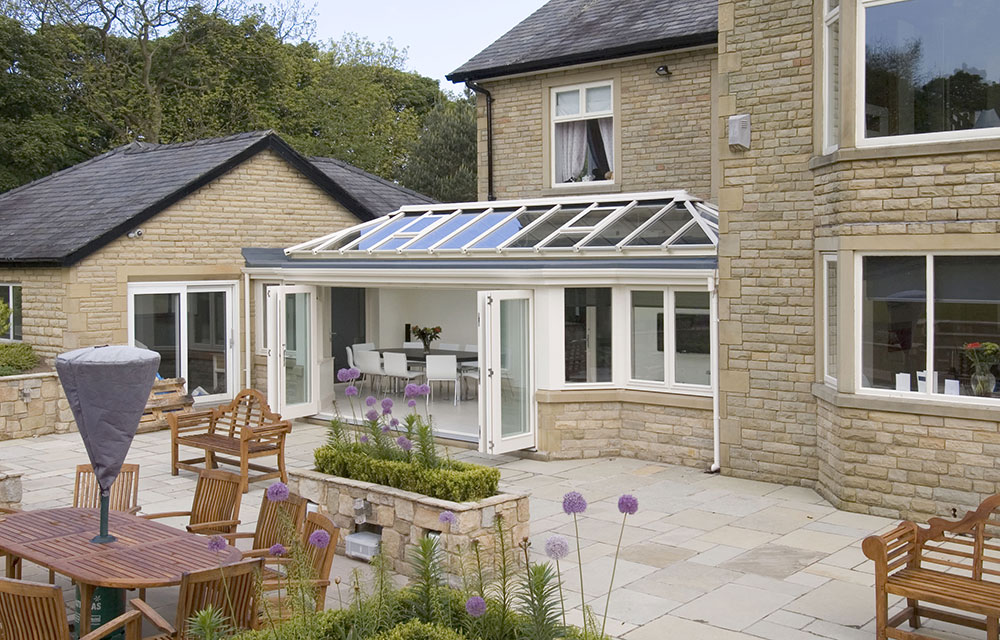
An orangery sits somewhere between a conservatory and a traditional single-storey extension. It incorporates more solid elements, typically including brick pillars or walls, combined with large windows and a central roof lantern.
The defining feature of an orangery is its balanced construction. The solid structure provides a more substantial, permanent feel, while the roof lantern allows natural light to flood into the centre of the room. This creates a bright yet more insulated environment than a fully glazed conservatory.
For Kent homeowners looking to create a true extension-style living space, an orangery often feels like a natural continuation of the home. It is commonly used as a kitchen extension, a formal dining room, a family lounge, or a home office.
Because of the additional brickwork and structural elements involved, orangeries typically represent a higher investment than conservatories. However, they often deliver stronger thermal efficiency and can blend more seamlessly with the main property, which may enhance long-term resale value.
Structural Differences Between Conservatories and Orangeries
The most significant difference lies in the amount of glass and the use of solid construction.
A conservatory is primarily glazed, including much of the roof and wall space. This maximises visibility and light transmission, making it ideal for homeowners who want panoramic garden views and a bright, open feel.
An orangery, by contrast, incorporates more masonry. Solid brick pillars or dwarf walls provide structure and insulation, while a roof lantern introduces controlled natural light. This results in a room that feels more enclosed and substantial — often closer in appearance to a traditional extension.
For homeowners in Kent with period or heritage properties, an orangery can sometimes offer a more sympathetic architectural match, while conservatories can complement both modern builds and traditional homes when carefully designed.
Thermal Performance and Year-Round Comfort
When comparing conservatories vs orangeries, thermal efficiency is an important consideration.
Conservatories, due to their higher glass ratio, rely heavily on the quality of glazing and roofing systems to maintain comfortable temperatures. With modern double or triple glazing and insulated roofing options, today’s conservatories perform far better than older installations.
Orangeries generally provide better natural insulation due to their solid brick construction and reduced glazing area. This can make them more comfortable throughout the year, particularly during colder winter months or very hot summer days.
At Sutton Windows, we ensure that both options are designed using energy-efficient materials suited to the UK climate, giving Kent homeowners peace of mind regardless of which structure they choose.
Aesthetic Appeal and Property Value
Both conservatories and orangeries enhance kerb appeal and internal living space, but they create different visual impressions.
A conservatory offers a light, garden-room aesthetic. It feels open, bright and connected to the outdoors — ideal if your garden is a key feature of your property.
An orangery delivers a more architectural, premium finish. The combination of brickwork and glazing often creates a luxurious, extension-style look that integrates seamlessly with the original house.
In terms of property value, both can provide a positive return on investment when professionally installed. Orangeries may sometimes be perceived as adding slightly greater value due to their permanence and solid construction, though this ultimately depends on design quality and location.
Planning Considerations in Kent
For many properties in Kent, conservatories and orangeries can be installed under permitted development rights, provided they meet size and boundary guidelines. However, regulations can vary depending on property type, conservation area status and previous extensions.
Working with an experienced installer such as Sutton Windows ensures that all planning and building considerations are properly managed from the outset, avoiding costly mistakes or delays.
Which Is Right for Your Kent Home?
Choosing between a conservatory and an orangery depends on your priorities:
-
If you want maximum light and a cost-effective garden room, a conservatory may be ideal.
-
If you prefer a more permanent extension with enhanced insulation, an orangery could be a better option.
-
If blending seamlessly with a period property is important, an orangery often provides architectural harmony.
-
If your goal is to create a bright space primarily for relaxation and enjoying your garden, a conservatory is ideal.
Every home is different, which is why Sutton Windows provides tailored design consultations across Kent and the surrounding areas.
Conservatory Prices and Orangery Prices Kent
Whether you’re exploring a bespoke conservatory or a luxury orangery, Sutton Windows offers expert guidance, high-quality materials and professional installation.
Our experienced team works closely with homeowners throughout Kent to design extensions that are energy-efficient, visually stunning and built to last.
If you’re ready to transform your living space, contact Sutton Windows today to arrange a consultation and discover whether a conservatory or orangery is the perfect addition to your home.

- Conservatories vs Orangeries: What’s the Difference for Homeowners? - 16th February 2026
- What Are Korniche Roof Lanterns And How Can They Improve My Home? - 16th February 2026
- Double Glazing, Sutton - 19th May 2017