Choosing energy-efficient doors can reduce heat loss, minimise draughts, and make your home more comfortable year-round. But with composite doors, uPVC doors and aluminium doors all offering different benefits, which material is right for your property?
At Sutton Windows, we offer a wide range of high-performance doors for homeowners across Sutton, London and surrounding areas. This guide explains how energy-efficient doors work and compares three popular options to help you choose confidently.
What Makes a Door Energy Efficient?
An energy-efficient door is designed to minimise heat transfer between your home and the outdoors. A well-performing external door helps retain warmth during colder weather while reducing draughts around the frame. Several parts of the door contribute to its overall thermal performance, including:
- Frame material and construction
- Insulated cores or internal chambers
- Quality of the glazing
- Weather seals and draught proofing
- Quality and accuracy of installation
Modern composite and uPVC doors commonly use insulated construction, while modern aluminium systems can incorporate thermal breaks to reduce heat transfer through the metal frame.
Are Composite Doors Energy Efficient?
Composite doors are an excellent option for homeowners who want thermal efficiency alongside strength, security and traditional front-door styling.
Rather than relying on one material, composite doors combine several materials to create a dense, durable structure. Sutton Windows’ composite doors feature high-performance construction designed to reduce heat loss and maintain a more consistent indoor temperature. Their thickness and density provide extra insulation, making composite doors particularly well suited to front entrances where comfort and weather protection matter.
Composite doors also provide:
- Strong, robust construction
- Multi-point locking systems
- Excellent weather resistance
- Low maintenance requirements
- A choice of colours, glazing and woodgrain finishes
For homeowners replacing an older timber or poorly performing entrance door, a modern composite door can provide a strong combination of energy efficiency, security and kerb appeal.
How Energy Efficient Are uPVC Doors?
uPVC doors provide reliable thermal efficiency while remaining durable, versatile and easy to maintain. They are a practical option for both front and rear entrances. Our uPVC doors use fully enclosed chambers within the profile to trap pockets of warm air. This helps limit heat transfer through the frame and supports better heat retention inside your home. Modern uPVC doors also provide effective weather protection, helping reduce unwanted draughts and keeping your home comfortable as weather conditions change. Another advantage is versatility. uPVC doors come in numerous styles, colours, finishes, and glazing designs, so energy efficiency doesn’t have to come at the expense of appearance. For homeowners looking for an affordable, low-maintenance door with dependable thermal performance, uPVC is an attractive choice.
Are Aluminium Doors Energy Efficient?
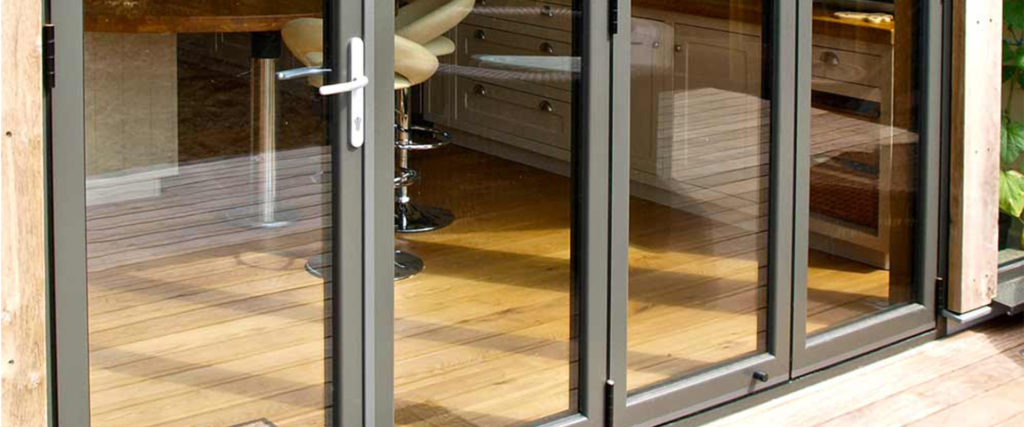
Modern aluminium doors can offer excellent energy efficiency when designed with suitable thermal-break technology. Sutton Windows’ aluminium bifold doors use thermally efficient construction to help prevent the metal frame from transferring excessive heat between indoors and outdoors.
A polyamide thermal break creates a barrier between the internal and external parts of the aluminium frame. This improves heat retention while letting homeowners benefit from aluminium’s inherent strength. Because aluminium is strong and lightweight, it can also support larger glazing areas with comparatively slim frames. Aluminium bifold doors are therefore particularly suitable for homeowners who want:
- Large glazed openings
- More natural light
- Slim, contemporary frames
- Strong and durable construction
- Low-maintenance finishes
- Improved connections between the home and garden
Aluminium is therefore a strong option for energy-efficient bifold doors and large garden-facing openings.
Composite vs uPVC vs Aluminium Doors
All three materials can provide strong thermal performance, but each suits slightly different priorities.
| Door material | Key energy-efficient feature | Particularly suited to |
| Composite | Dense, insulated construction | Secure entrance and front doors |
| uPVC | Multi-chambered profiles | Practical front and back doors |
| Aluminium | Thermal-break technology | Bifold doors and larger glazed openings |
The most suitable option is not determined by material alone. Door design, glazing, weather seals, installation and the specific product specification all influence overall energy efficiency.
Can Energy Efficient Doors Reduce Heating Bills?
Energy-efficient doors can help reduce heat loss, which may lower the energy needed to keep your home comfortable. The actual impact on energy bills depends on factors such as the doors you replace, your property’s overall insulation, and your heating habits.
Replacing an old, draughty external door can be particularly worthwhile because modern doors use improved insulation and weather seals to limit unwanted heat loss. Energy-efficient doors work best as part of a wider approach that includes suitable windows, insulation and draught proofing.
Don’t Overlook Professional Installation
Even a high-performance door needs to be fitted correctly to work as intended. Gaps or poor sealing around the frame can undermine thermal efficiency and create unwanted draughts. At Sutton Windows, we provide professional door installations, with careful attention given to the fit, seals and operation of each new door. Correct installation also supports weather resistance, security, and long-term performance.
Which Energy Efficient Door Should You Choose?
Choosing between composite, uPVC and aluminium doors depends on where the door will be installed and what matters most to you. A composite door can provide an excellent combination of insulation, security and entrance-door styling. uPVC offers versatility, low maintenance and dependable thermal performance, while aluminium is particularly effective for bifold doors where slim frames and larger glazed areas are priorities.
At Sutton Windows, we offer energy-efficient doors for a wide range of homes and requirements. Whether you are replacing your front door, improving a rear entrance, or opening your living space with aluminium bifold doors, our team can help you explore the best options.
Contact Sutton Windows today for expert advice or start your online quote to find energy-efficient doors for your home.

- The Complete Guide to Energy Efficient Doors - 17th September 2026