When investing in replacement windows, one of the biggest decisions is whether to choose double or triple glazing. Both offer excellent benefits for homeowners, including improved insulation, reduced heat loss and greater everyday comfort. However, they differ in performance, construction, and cost. At Sutton Windows, we help homeowners across South London and Kent find the right glazing solutions for their properties. In this guide, we’ll explore the differences between triple glazing and double glazing to help you decide which option best suits your home, lifestyle, and budget.
What Is the Difference Between Double and Triple Glazing?
The main difference between double and triple glazing is the number of glass panes used within the window unit. Double glazing features two panes of glass separated by a sealed cavity, while triple glazing incorporates three panes and two insulating cavities. Both glazing options can use insulating gases, specialist spacer bars and low-emissivity (Low-E) coatings to improve thermal performance and reduce heat transfer. While double glazing provides effective insulation for most homes, the additional pane and cavity in triple glazing can offer greater thermal resistance.
Triple Glazing vs Double Glazing: Key Differences
| Feature | Double Glazing | Triple Glazing |
| Glass panes | Two | Three |
| Thermal efficiency | Excellent insulation | Potentially enhanced insulation |
| Noise reduction | Effective | Potentially improved, depending on specification |
| Condensation control | Helps reduce internal condensation | Can offer additional protection |
| Weight | Lighter construction | Heavier construction |
| Cost | Generally more affordable | Typically more expensive |
Although triple glazing can offer additional performance benefits, modern double glazing remains an excellent choice for many homeowners.
Which Glazing Option Is More Energy Efficient?
Typically, triple glazing offers better thermal insulation than double glazing. The added insulation slows heat transfer, helping your home retain warmth more effectively during colder months. However, the number of glass panes is not the only factor that determines energy efficiency. When comparing replacement windows, consider:
- U-values: A lower U-value means less heat transfer and better insulation.
- Window Energy Ratings: These assess a window’s overall energy performance.
- Frame construction: Well-insulated frames help minimise heat loss.
- Glazing specification: Specialist coatings and insulating gases can improve thermal performance.
- Installation quality: Correct fitting helps prevent unwanted draughts.
Our energy-efficient glass options are designed to improve thermal performance without compromising your home’s appearance.
Can Triple Glazing Save More Money on Energy Bills?
Triple glazing can help reduce heating demand by limiting heat loss through your windows. However, the additional savings compared with modern double glazing will vary between properties. Replacing old single-glazed windows with energy-efficient double glazing can already make a substantial difference to household comfort and energy consumption.
According to the Energy Saving Trust’s guidance on energy-efficient windows, upgrading your glazing can help reduce heating bills and improve insulation. The condition of your existing windows, wider property insulation and heating habits will all influence potential savings.
Is Triple Glazing Better for Noise Reduction?
Triple glazing can help reduce outside noise, but an extra pane of glass doesn’t automatically guarantee better acoustic performance.
Glass thickness, cavity widths and the type of glass used all influence how effectively a window reduces sound. In some circumstances, specially designed acoustic double glazing can outperform standard triple glazing. For homeowners living near busy roads or railway lines across South London and Kent, acoustic performance is worth considering when choosing new windows.
Security and Condensation Control
Both double and triple-glazed windows can provide excellent security when paired with strong frames and reliable locking systems. Although triple glazing adds another physical layer, overall security depends more on the complete system than on the glass alone. Modern glazing can also help reduce condensation by keeping the internal glass surface warmer. However, adequate ventilation remains essential to control indoor humidity and reduce the risk of damp.
Is Triple Glazing Worth the Extra Cost?
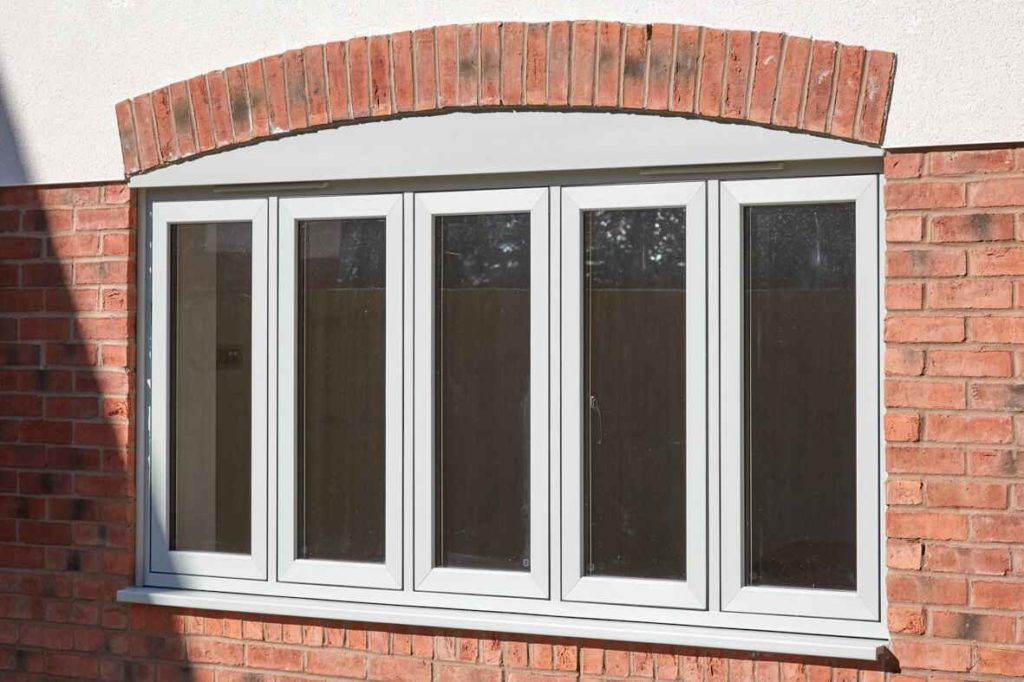
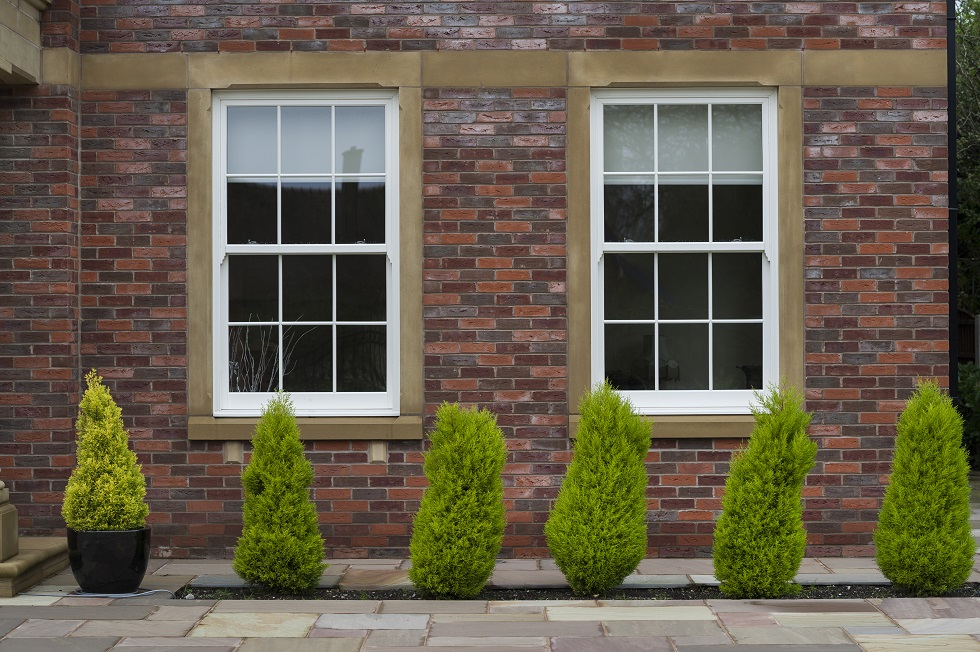
Triple glazing is generally more expensive than double glazing because it requires more materials and construction. Whether the extra investment is worthwhile depends on your priorities. Triple glazing may be worth considering if you want to maximise thermal efficiency, improve comfort in colder rooms or undertake a wider energy-efficient renovation. Alternatively, our double-glazed windows offer a practical balance of insulation, security, style and affordability. With casement, flush sash, sliding sash, and tilt-and-turn designs available, there are plenty of options to complement your property.
Choose the Right Glazing With Sutton Windows
When comparing triple glazing vs double glazing, the best choice ultimately depends on your home, budget and performance requirements. At Sutton Windows, we can guide you through our glazing options, helping you choose replacement windows that complement your property while improving everyday comfort.
You can also visit our showrooms in Petts Wood and Welling to explore our products and speak with our experienced team. Ready to upgrade your windows? Start your free online quote today and take the first step toward a warmer, quieter, more energy-efficient home.

- Triple Glazing vs Double Glazing: Which Is Best for Your Home? - 17th November 2026
- Steel Windows, Orpington - 26th October 2017
- Online Quoting Engine - 23rd May 2017